War Thunder
Vehicular combat MMO. Everything we publish on War Thunder — guides, tier lists, reviews and setup help — kept current as the game changes.
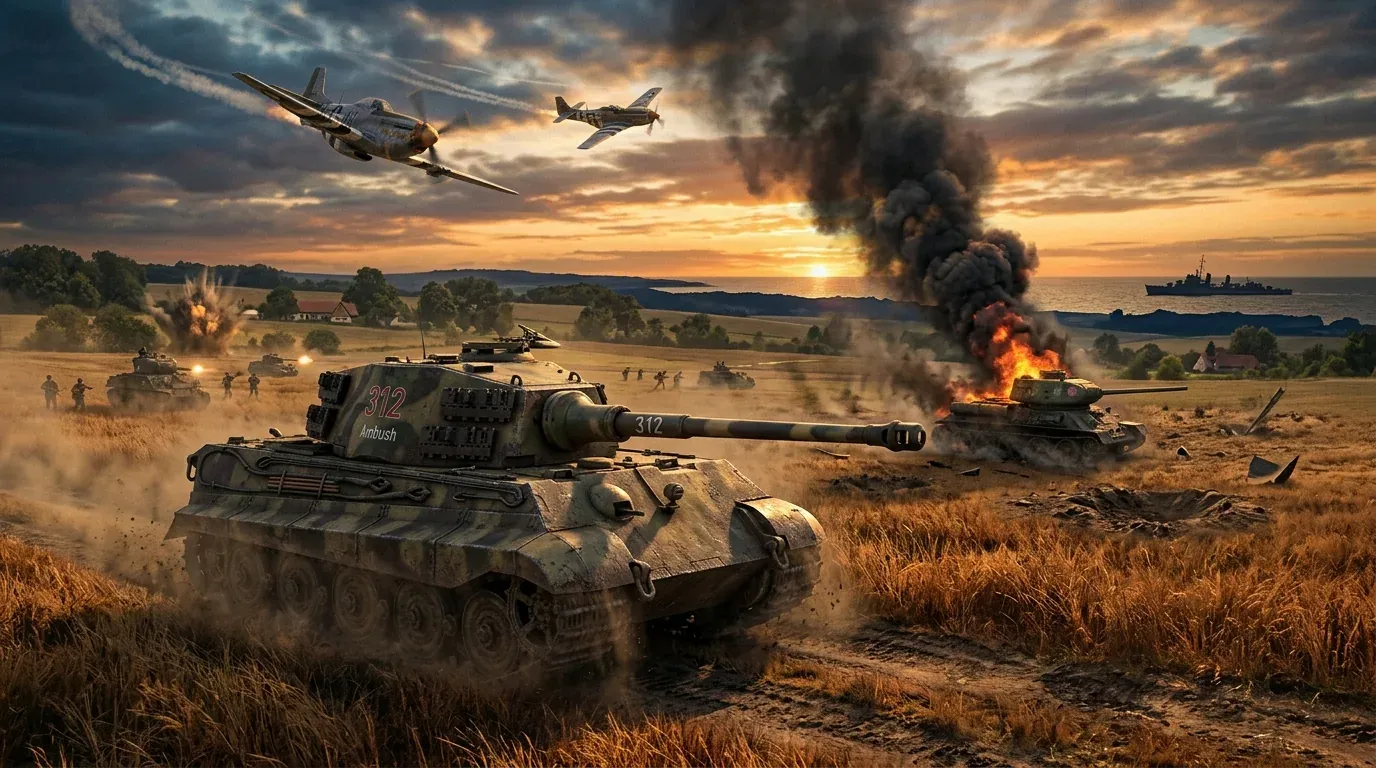
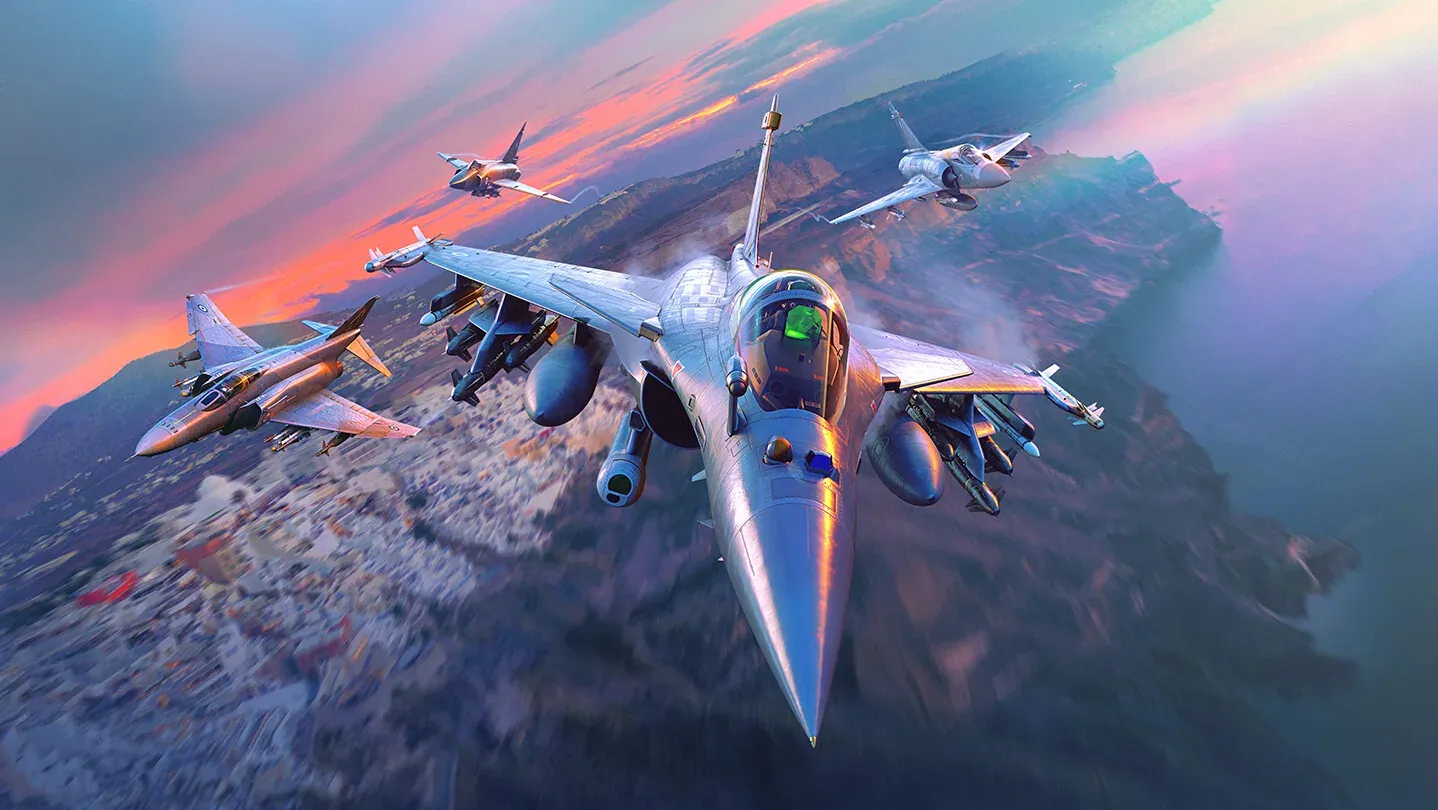
War Thunder is a free-to-play combat vehicle MMO from Gaijin Entertainment in which you fly, drive and sail real machines from the 1930s through to the present day, against other players, in the same battle, at the same time. That last part is the whole pitch.
Most military games pick a domain and stay in it: tanks, or planes, or ships. War Thunder puts a tank platoon, a flight of fighters, an attack helicopter and a destroyer offshore into one match and lets them interfere with each other.
You will be knocked out by something you never saw, from a direction your vehicle was never designed to worry about, and that is a feature rather than a bug.
It is also enormous, and it has been running long enough that “enormous” undersells it. Gaijin’s own figures put the game at over 2,500 vehicles across ten nations:
| Domain | Vehicles |
|---|---|
| Aircraft | more than 1,200 |
| Ground vehicles | more than 1,000 |
| Naval vessels | over 460 |
| Helicopters | more than 90 |
The game entered open beta on 1 November 2012 and formally left beta on 21 December 2016 with update 1.65, “Way of the Samurai”. It has shipped major content updates continuously since, and it is still structurally changing: a new Rank IX was added to the aircraft research trees in March 2026, with vehicles reshuffled between ranks to bring battle ratings into line.
This page is written for people playing on a PC. War Thunder is on PlayStation and Xbox as well, but the PC client is where the mod scene, the control options, the full graphics settings and the simulator crowd live, and it is the version everything below assumes.
What does War Thunder feel like to play?
Your first match will probably be Arcade air combat, because that is where the game puts you, and it feels like a fast, forgiving dogfighting game. There is a lead indicator on enemy aircraft telling you where to shoot, your plane will not stall easily, and if you die you respawn.
It is genuinely fun, and it is also slightly misleading about what the game is.
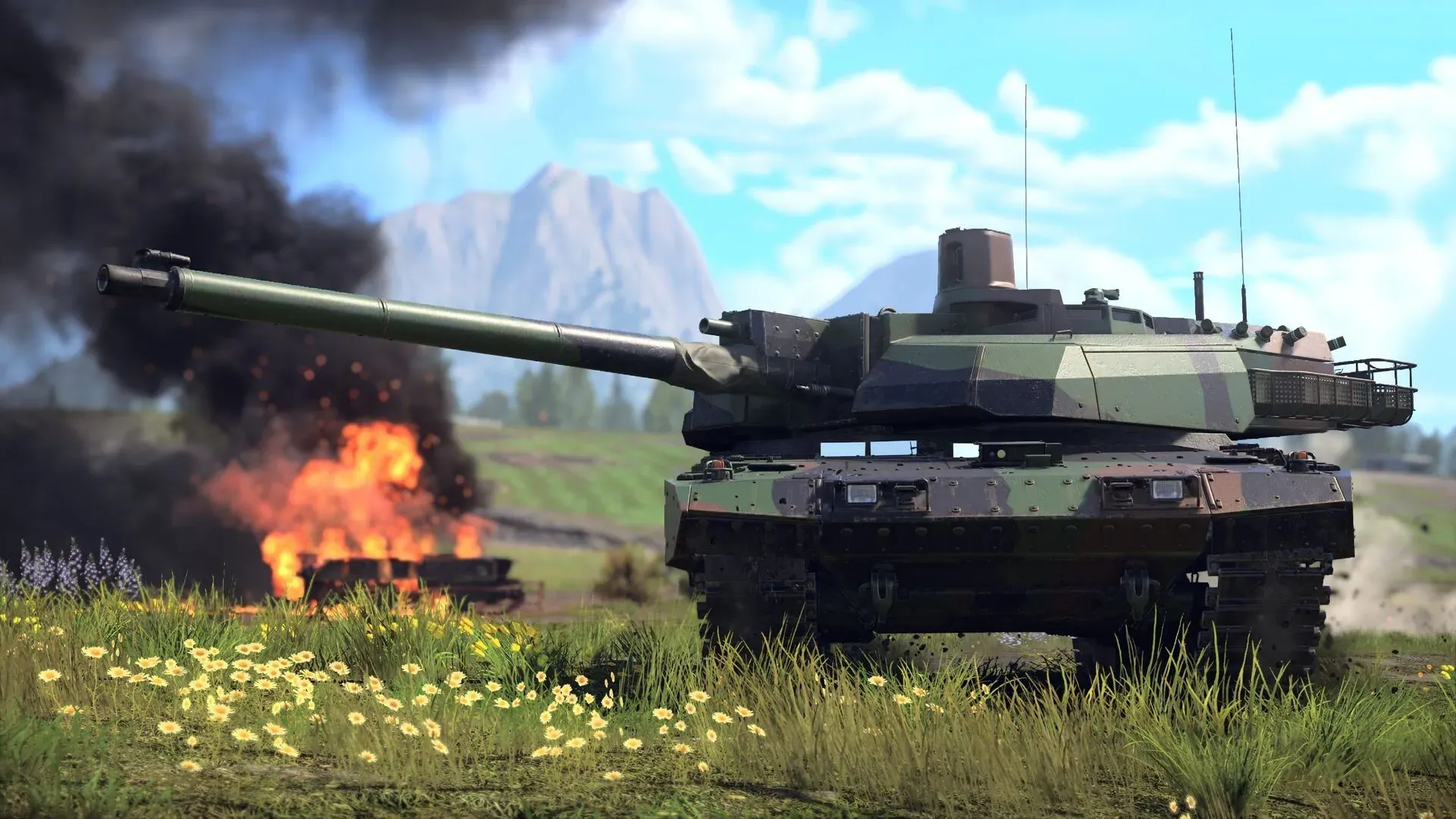
The real texture of War Thunder shows up the first time you take a tank into Realistic Battles, where four things most shooters hand you for free are simply absent:
- No coloured crosshair telling you where the shell will land.
- No name tags floating over enemies.
- No minimap markers — you find people by muzzle flashes, dust, engine noise and the shape of a hull against a ridgeline.
- No health bar — the shell goes through a specific piece of armour at a specific angle, and the game works out what it broke on the way: gunner, breech, ammunition rack, engine.
Destroyed modules stop working. A hit can leave you alive, mobile and unable to fire, which is a far more interesting problem than a health bar.
That is the loop the game is built on: short, tense, information-poor engagements where positioning and patience beat reflexes, punctuated by moments where something enormous happens very quickly. Ground battles in particular are often ten minutes of careful movement and four seconds of being either extremely right or extremely dead.
Is War Thunder free?
Yes, genuinely and without an asterisk on access. Gaijin’s own FAQ puts it plainly: you can download and play “without any restrictions or subscription fees”.
There is no paid edition, no trial window and no content locked behind a purchase gate at the point of entry. Every one of those 2,500-plus vehicles that sits in a research tree can be unlocked by playing.
What money buys is time and convenience, through three things:
- Golden Eagles (GE) — the premium currency, bought with real money and spent on research acceleration, premium vehicles, cosmetics and battle pass access.
- Premium account — a time-limited account status, buyable with GE or directly, that raises what every battle pays out.
- Premium vehicles — individual machines sold outside the research trees, which earn more Silver Lions and Research Points per battle than their tech-tree equivalents.
The official wiki is explicit that “spending GE is not mandatory to progress through the game”.
What a premium account actually changes:
| Premium account bonus | Rate |
|---|---|
| Research Points, all game modes | +100% |
| Silver Lions for battle time, Random Battles | +100% |
| Silver Lions for active actions, Random Battles | +50% |
| Silver Lions, other modes | +50% |
It also carries conveniences that have nothing to do with income, such as extra decal slots and the ability to ban a map.
Three currencies are worth knowing by name:
| Currency | What it is | What it pays for |
|---|---|---|
| Silver Lions (SL) | The earned currency | Buying researched vehicles, training crews, buying modifications, repairing after a loss |
| Research Points (RP) | Progression | Unlocking the next vehicle in a branch; separate pools of modification RP and crew XP upgrade what you already own |
| Warbonds (WB) | Battle pass reward | A rotating seasonal shop |
Is War Thunder pay-to-win?
The honest answer is: not in the way the phrase usually means, and yes in a way that matters more than people expect.
Money does not buy performance inside a match
A premium account is purely economic — nothing in its benefit list touches vehicle statistics — and premium vehicles are not superior machines with an upgrade applied. They are ordinary vehicles that earn at a higher rate.
Matchmaking is by Battle Rating, a per-vehicle number reflecting its combat effectiveness, and you can be put in a match with vehicles up to 1.0 BR above your own. A bought vehicle sits in that band with everything else at its BR.
There is no premium round that penetrates more armour because you paid for it.
Money does buy the grind, and the grind is the real currency
Progression through a nation’s tree is slow by design, and the modifications that make a vehicle perform as advertised — better shells, upgraded engines, improved targeting — are themselves researched.
A freshly-unlocked machine is measurably worse than the same machine in the hands of someone who has finished it. Doubling RP income with a premium account does not make your tank shoot harder this match; it means you reach the next tank in half the time and finish each one’s upgrades sooner.
Over months, that compounds.
Where the complaints come from, and what to budget
Repair cost is the real pressure. Losing a vehicle costs Silver Lions, at high ranks a bad match can cost more than it earns, and the economy tightens noticeably the further up you go.
That is where most of the “pay-to-win” complaints actually originate. They are complaints about the rate at which a free account can sustain top-tier play, not about anyone buying an advantage in a firefight.
The practical reading for a new PC player: you can play for hundreds of hours without spending anything and be competitive the entire time at low and mid ranks, because BR matchmaking keeps you among peers.
If you decide you want to live at the top of a tree, budget either money or a lot of patience. Both are legitimate; pretending only one exists is not.
Which War Thunder mode should you start in?
Start in Arcade for a handful of hours, purely to learn the vehicles, then move to Realistic ground battles at low rank. War Thunder’s difficulty is a setting, not a skill tier, and picking the right one early matters more than any other decision you make.
| Mode | What changes | Start here? |
|---|---|---|
| Arcade Battles | Lead indicators on targets, enemy markers, simplified flight physics, generous respawns | Yes — for the first few hours |
| Realistic Battles | Manual aiming, no markers, historically-themed team compositions, full damage models, a spawn-point budget instead of free respawns | Yes — ground battles, at low rank |
| Simulator Battles | Cockpit and gunner views only, no ally indicators, no kill confirmation, full flight physics | No — a different hobby from the other two |
Arcade is the fastest way to learn what the vehicles are, and the only mode where a first-time, flight-sim-naive player will consistently hit anything with a machine gun.
Realistic is where most of the population and most of the game’s identity live. You start with a budget of spawn points, earn more through combat, and pay different amounts for different vehicle types; aircraft must land to rearm and refuel, and tanks repair in the field slowly, on the order of minutes.
Air Realistic in particular is frequently single-life, and the low-tier matches are forgiving while the mechanics are the real ones.
Simulator is the mode people buy a HOTAS and a head-tracker for. Do not start there — nothing about it is beginner-hostile in principle, but you will spend your first ten hours learning a control scheme rather than a game.
Beyond the three, the game carries World War (a persistent strategic campaign), Enduring Confrontation, PvE Assault modes, dynamic historical campaigns and solo missions, plus seasonal oddities like racing and tank football.
What should you do first in War Thunder?
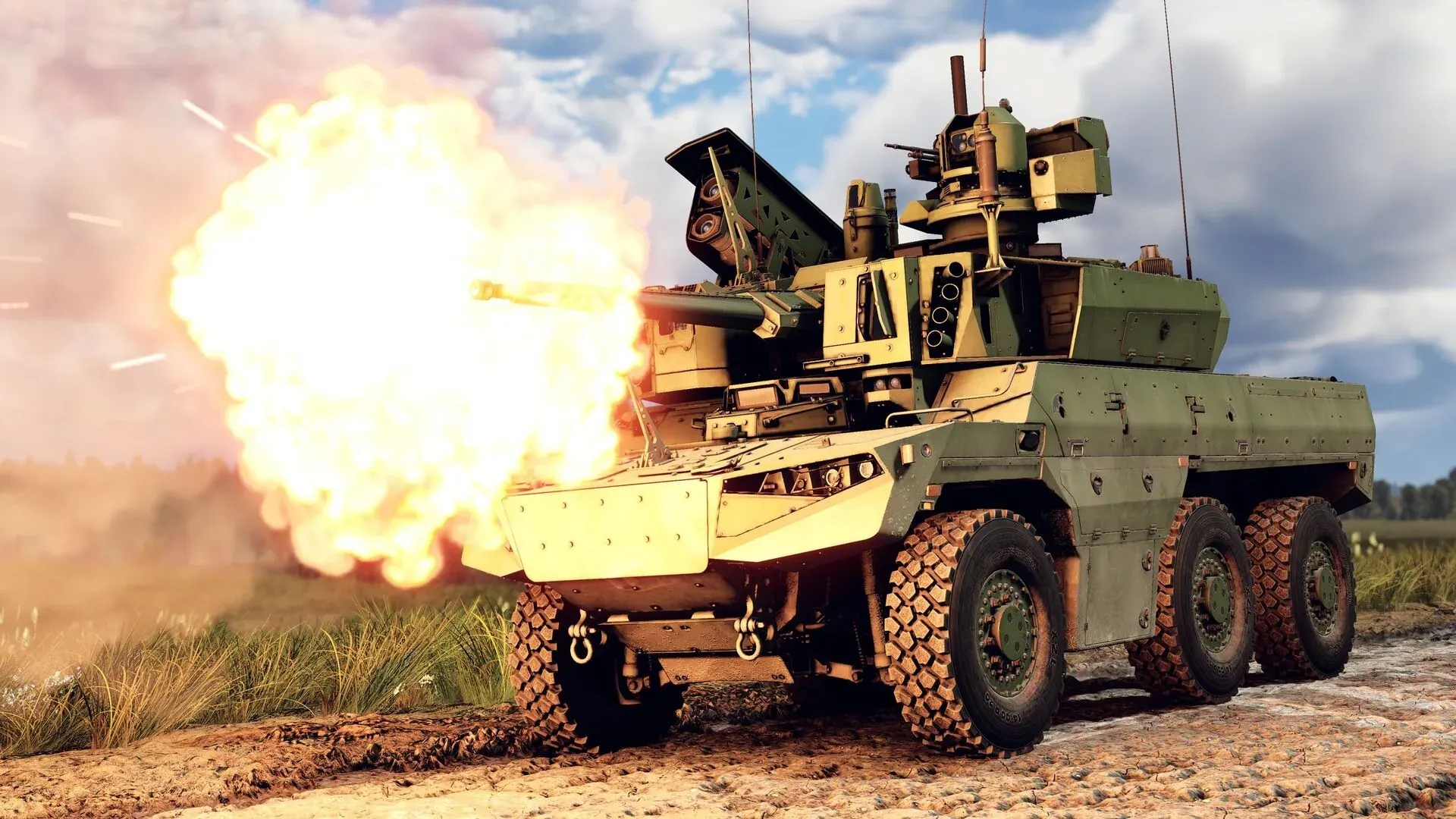
Pick one nation, push one branch of it upward, and finish each vehicle’s modifications before you move to the next. Almost every mistake that costs new players their first fifty hours is a variant of doing the opposite.
Pick one nation and one branch, and stay there
Ten nations, three vehicle types each, is thirty separate research trees. Spreading across them is the single most common way to end up sixty hours in with nothing finished.
Pick a nation whose machines you find interesting and push one branch upward.
Finish your modifications before you move on
Research on a vehicle you have not upgraded is research spent on a worse version of it. The upgrade path for a tank — parts, better shells, improved suspension — changes it substantially.
The game also gives a research bonus of well over 100% when you are playing a vehicle directly preceding the one you are unlocking, so grinding on the vehicle immediately below your target is meaningfully faster than grinding on something two ranks back.
Train your crew
Crew skills carry across vehicles in that slot and are paid for in Silver Lions and crew XP. Reload speed, targeting, repair speed and pilot G-tolerance are all crew stats.
An untrained crew is a quiet, invisible handicap that new players almost never diagnose.
Respect Battle Rating
Your match is decided by your highest-BR vehicle, so a single higher-rated machine in your lineup drags the whole lineup up with it into matches your other vehicles cannot fight in. Keep a lineup of vehicles at similar BR.
This one piece of discipline is worth more than any tactical advice.
Learn the spotting game before the shooting game
In Realistic, most deaths come from being seen first. Move behind cover, stop before cresting ridges, and get comfortable with the idea that sitting still and watching is a legitimate and effective play.
Turn on the client’s own aids
Set up a comfortable keyboard layout early, and bind your zoom and your gun choice to keys you can reach without thinking.
Then use the test flight and test drive options — they are free, offline, and the fastest way to learn what a new vehicle can do without paying a repair bill for the lesson.
What your PC needs to run War Thunder
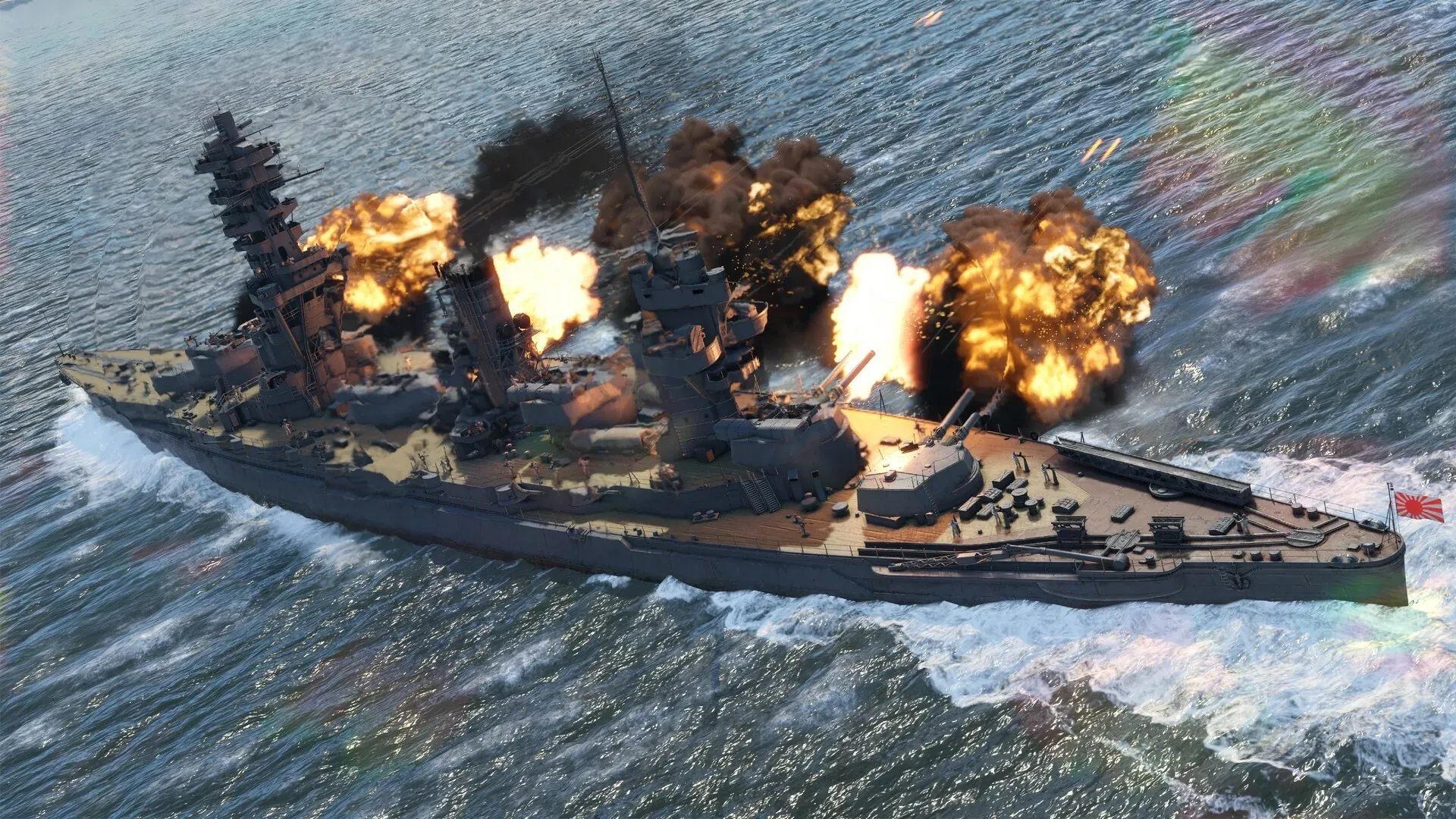
Windows 10 64-bit, a dual-core 2.2 GHz CPU, 4 GB of RAM and a DirectX 11-level card clear the minimum. The game is unusually kind to old hardware, which is a large part of why its player base is as broad as it is.
Gaijin’s published requirements for the Windows client:
| Minimum | Recommended | |
|---|---|---|
| OS | Windows 10 (64-bit) | Windows 10 or 11 (64-bit) |
| CPU | Dual-core 2.2 GHz | Intel Core i5 or Ryzen 5 3600 or better |
| RAM | 4 GB | 16 GB |
| GPU | DirectX 11-level — AMD Radeon 77XX / NVIDIA GeForce GTX 660 | GeForce 1060 or Radeon RX 570 or higher |
| Disk | 23.1 GB (minimal client) | 75.9 GB (full client) |
A broadband connection and a 720p display are part of that minimum. This is an online game; there is nothing here to play offline.
The other two desktop clients Gaijin publishes:
- macOS, minimum — Big Sur 11.0 or newer, a Core i5 at 2.2 GHz or better (Intel Xeon is not supported), 6 GB RAM, Intel Iris Pro 5200 or an AMD/NVIDIA equivalent with Metal support, 22.1 GB of disk.
- macOS, recommended — a Core i7, 8 GB RAM, a Radeon Vega II or better, and 62.2 GB for the full client.
- Linux — most modern 64-bit distributions, a dual-core 2.4 GHz CPU, 4 GB RAM and an NVIDIA 660 or equivalent with Vulkan support and drivers no more than six months old; Ubuntu 20.04, a Core i7, 16 GB RAM and a GTX 1060 is the recommended configuration.
Everything else on this page assumes the Windows client.
Two things worth flagging that the spec sheet does not say out loud. The first is the gap between the minimal client and the full client — roughly 23 GB against 76 GB on Windows — and the minimal client downloads content as you need it, which is the right choice on a small SSD and the wrong choice on a slow connection.
The second is that the minimum spec runs the game, but War Thunder at high tiers is a draw-distance and spotting game, and spotting an enemy hull at range is genuinely easier at higher resolution with higher settings.
If you are choosing where to spend an upgrade, the display and the GPU do more for your win rate here than they do in most games.
Controls change what hardware you want, and the answer is reassuring. Everything in War Thunder is playable with mouse and keyboard, including aircraft — mouse-aim flight is the default and the majority of the air population uses it.
A joystick or HOTAS is effectively required only for Simulator Battles, and a gamepad is well supported for ground vehicles. You do not need to buy anything to start.
Alternatives to War Thunder on PC
War Thunder’s competitors each do one of its three jobs better than it does. None of them do all three at once, in one client and one progression system.
| Game | How it differs | Pick it instead if |
|---|---|---|
| World of Tanks | Hit points and a degree of abstraction; tighter, more arcadey, easier to be consistently competent at; no aircraft overhead | You want ground combat that is faster and more forgiving of mistakes |
| Enlisted | Gaijin’s own WWII squad shooter — infantry-first, with vehicles in support | You want to be a soldier rather than to be the tank |
| DCS World | A study-level flight simulator; one aircraft is a multi-week learning project and each module is bought individually | You want a simulator with a game attached rather than a game with a simulator setting |
| World of Warships | Naval as the whole product rather than one branch of three | Ships specifically are what you want |
Against World of Tanks the difference is mechanical rather than cosmetic. War Thunder models armour penetration, module damage and crew casualties and has no health bar, which makes it slower, less forgiving and more punishing.
It also puts aircraft overhead in the same match as the tanks. Some players consider that the best thing about the game and others consider it the worst.
Naval is the least developed of War Thunder’s three domains, so a dedicated naval game will serve you better if ships are the point. War Thunder’s Simulator Battles are the closest it comes to DCS, and they do not come close — nor do they try.
The combined-arms match is the thing nothing else offers. The vehicle that kills you is coming from a domain you were not watching, in one client where ships, planes and tanks share a single progression system.
Who is War Thunder for?
It is for you if you like machines as machines — if the phrase “angled armour” reads as interesting rather than tedious. More specifically:
- Years, not weekends — you want a game where the ceiling stays above you.
- A modest PC — you want something that looks good on hardware you already own.
- Patience over reflexes — you are comfortable losing a lot while you learn.
It is not for you if:
- Fast matches are the appeal — immediate feedback and short deaths.
- A grind measured in weeks per vehicle branch sounds like a chore rather than a hobby.
- A finished experience is what you want, rather than one patched, rebalanced and restructured continuously.
That last point cuts both ways. The game added an entire new aircraft rank in March 2026 and moved vehicles between ranks to do it, which is evidence both of active development and of the fact that nothing here stays settled.
Is War Thunder worth sticking with?
Yes, if you treat it as a hobby rather than a game to finish. Finishing one nation’s ground tree is a serious project; finishing that nation’s ground and air trees is a much larger one.
Ten nations, three domains and a research economy designed so you will never quite run out of things to unlock make the content feel finite in the short term and effectively inexhaustible in the long term.
That is also why the starting choices above matter so much. The players who bounce off War Thunder in the first week almost always bounce off the same thing: they spread across five nations, never finished a vehicle’s modifications, pulled a high-BR premium into a low-BR lineup, and concluded the game was unfair.
The players who stay picked one line, learned one set of maps, and let the mechanics become legible before they judged them.
Download the client, spend an hour in Arcade learning what the vehicles do, and then move to Realistic ground battles at low rank. That is the shortest path from installed to actually playing this game rather than fighting its interface — and on PC it costs nothing but disk space and an evening.
What is actually good
Is it worth playing?
How to get better at it
Get it running properly
How to Download War Thunder on PC
Gaijin launcher or Steam, the real client sizes, the account-linking rule that catches people out, and fixes for the install errors that actually happen.
Read it arrow_forward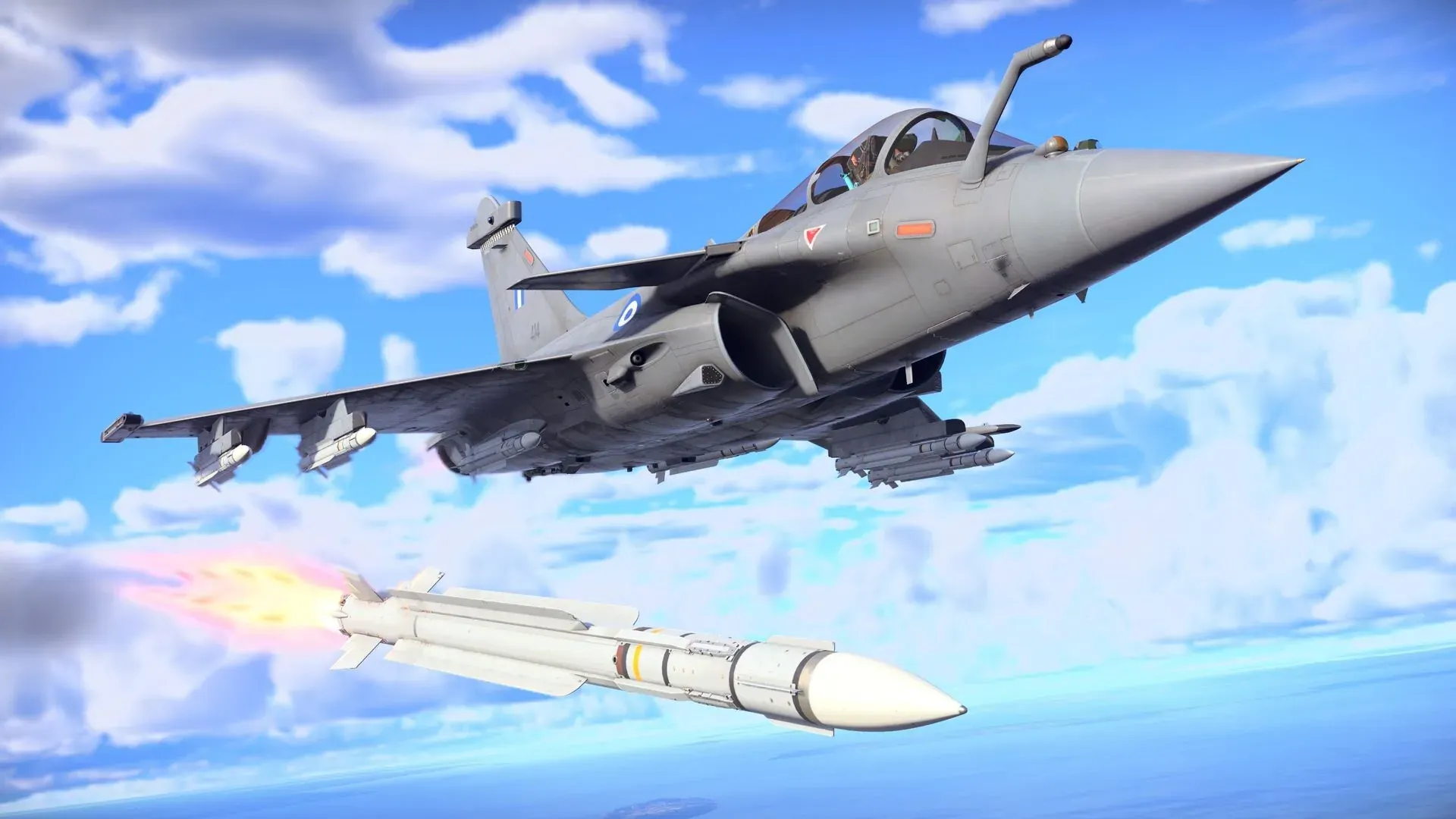
Can Your PC Run War Thunder? The Requirements That Actually Matter
What War Thunder's spec floors actually mean: the 2012 GPU minimum, the 4 GB to 16 GB memory step, the Mac client, and what recommended buys you.
Read it arrow_forward